Clearing a car at Mombasa port is the step that turns an overseas purchase into a car you can drive in Kenya. Almost every imported car arrives at Kilindini Harbour, Kenya's main port. There, documents are checked, duty is paid, the car is verified and finally released. However, delays or mistakes at this stage add storage charges quickly. Therefore, understanding the process saves time and money.
This guide explains each step, the documents needed, the main charges, typical timelines and how to avoid delays. Moreover, it explains whether you can clear a car yourself and how Elisa Motors clears cars for our clients.
Procedures and systems are updated from time to time. As a result, always confirm current requirements with a licensed clearing agent.
Before the ship arrives
Import Declaration Form (IDF)
An Import Declaration Form is lodged before or around shipment through Kenya's electronic trade systems. It declares the import to the authorities. Moreover, the IDF fee is one of the taxes in the landed cost.
Documents from the exporter
The clearing agent needs the bill of lading, commercial invoice, export certificate or V5C details and the pre-shipment inspection certificate. In addition, your KRA PIN and ID or passport are required. Read our export documents guide and inspection guide.
Step 1: Vessel arrival and manifest
When the vessel arrives, the shipping line submits the manifest, which lists all cargo, including your car. RoRo cars are discharged to the port's vehicle area. Container cars go to a container yard or container freight station (CFS).
Step 2: Customs entry and duty assessment
The clearing agent lodges the customs entry with KRA. KRA assesses duty using its CRSP values and age depreciation. Read our KRA duty guide. Then the importer pays the assessed taxes.
Step 3: Shipping line charges and delivery order
The shipping line issues a delivery order after its charges are paid and the bill of lading is surrendered or released. These charges vary by line and vehicle size.
Step 4: Port charges
The Kenya Ports Authority charges for handling and, after the free period, storage. Container cars also attract CFS charges. Therefore, quick clearing reduces costs.
Step 5: Verification
Officers physically verify the car. They check the chassis number, model, engine and condition against the documents. Moreover, they confirm compliance with KEBS requirements. Any mismatch causes delays and possibly re-assessment.
Step 6: Release
Once duty is paid, charges are settled and verification passes, the car is released. The agent collects release documents that are needed for registration. Read our NTSA registration guide.
Step 7: Leaving the port
The car can be collected in Mombasa or transported inland. Many buyers use car carriers to Nairobi and upcountry towns. Read our Mombasa to Nairobi transport guide.
How long does clearing take?
With correct documents and prompt payment, clearing often takes several working days to about a week after discharge. However, missing documents, payment delays or verification issues can stretch it much longer. Consequently, preparation matters.
Storage charges and how to avoid them
Ports and CFS operators allow a short free storage period. After that, daily storage charges apply and grow quickly. To avoid them, prepare documents before arrival, pay duty promptly and book verification early. Moreover, use an experienced clearing agent.
Clearing agent fees
Licensed clearing agents charge a fee for lodging entries, coordinating payments and handling verification. Fees vary. However, the cheapest agent is not always the cheapest overall if delays cause storage charges. Therefore, choose an agent with a strong track record.
Can I clear a car myself?
Customs entries are lodged through licensed clearing agents. Individuals can supervise the process and choose their agent, but they still need one for the formal steps. Moreover, the process involves several organisations. As a result, most buyers let an importer manage it.
Common clearing problems
First, mismatched names between the bill of lading and KRA PIN. Second, wrong chassis numbers on documents. Third, missing inspection certificates. Fourth, cars that fail the 8-year rule. Read our 8-year rule guide. Finally, late duty payment, which triggers storage charges.
Example: Toyota Harrier landed prices including clearing
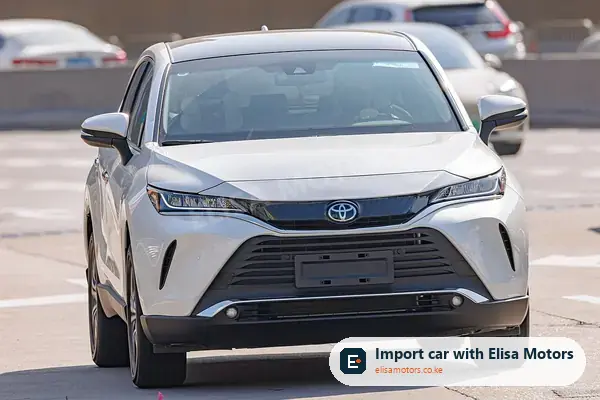
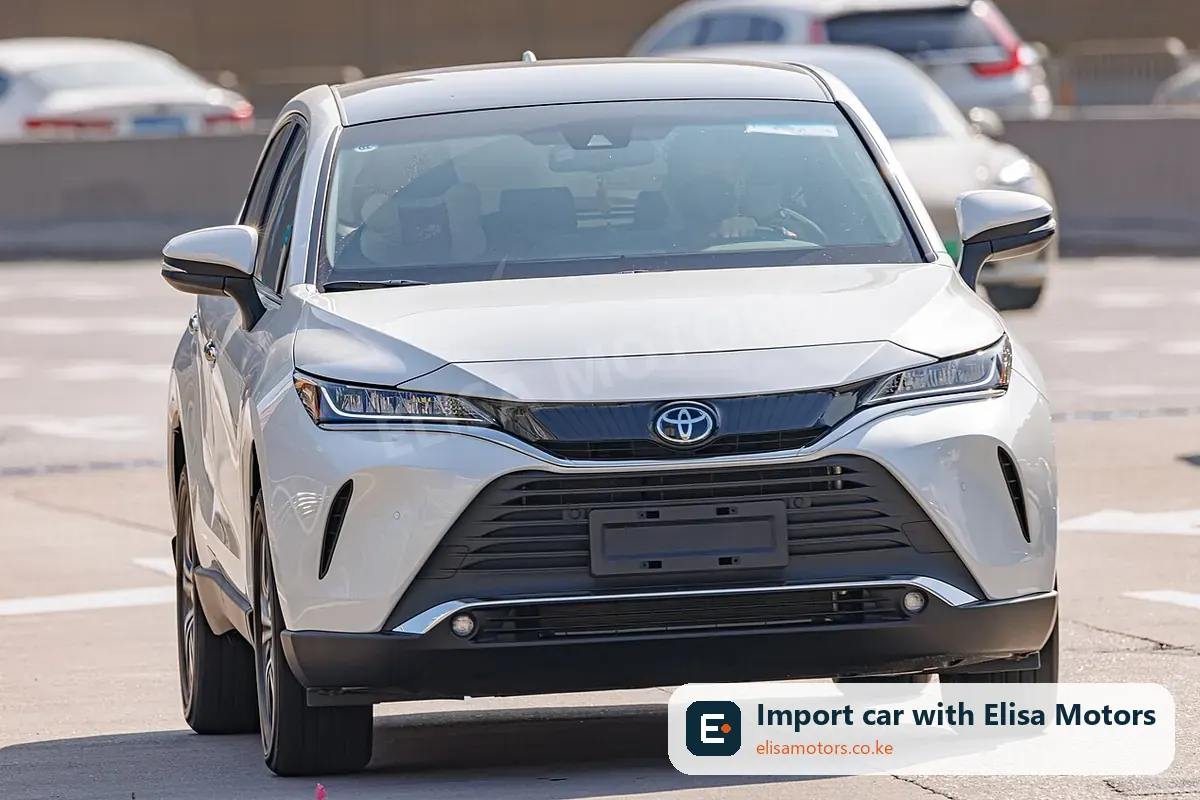
Here is how each Toyota Harrier version we import compares. All of them seat 5, and you can import them from Japan.
Toyota Harrier Premium 2.0. This version uses a 2.0-litre petrol engine with 171 hp, a cvt automatic gearbox and two-wheel drive. In addition, it returns about 14 km/L and lands in Kenya at roughly KES 4.3M – 4.9M.
Toyota Harrier Z 2.0 Leather Package. This version uses a 2.0-litre petrol engine with 171 hp, a cvt automatic gearbox and two-wheel drive. Moreover, it returns about 14 km/L and lands in Kenya at roughly KES 4.8M – 5.4M.
Toyota Harrier Hybrid Z 2.5 E-Four. This version uses a 2.5-litre hybrid engine with 218 hp, a e-cvt automatic gearbox and AWD. As a result, it returns about 21 km/L and lands in Kenya at roughly KES 5.6M – 6.3M.
Every Toyota Harrier we import includes these key features: premium interior & ride, panoramic roof (selected units), JBL audio option, digital rear-view mirror and hybrid E-Four AWD option.
Our services: clearing handled end to end
Elisa Motors clears cars for buyers in Nairobi, Mombasa, Nakuru, Kisumu, Eldoret and beyond. Here is what we do.
1. Documents prepared before arrival
We check every document before the ship arrives. As a result, clearing starts immediately.
No waiting for paperwork.
2. Accurate duty assessment
We calculate duty in advance and include it in your quote. Moreover, we declare vehicles correctly to avoid re-assessment.
No surprise top-ups.
3. Fast payments
We pay duty and charges promptly. Similarly, we coordinate with the shipping line for the delivery order.
Speed saves storage charges.
4. Verification support
We attend verification and resolve questions quickly. Consequently, cars move through without long delays.
Our team knows the process well.
5. Container and RoRo clearing
We clear both RoRo and container cars, including CFS steps. Read our shipping guide.
One team for both.
6. NTSA registration
After release, we register the car and fit Kenyan plates. You receive the logbook in your name.
Read our registration guide.
7. Delivery across Kenya
We deliver to Nairobi, Nakuru, Eldoret, Kisumu, Nyeri, Meru and other towns. Alternatively, collect in Mombasa.
WhatsApp updates throughout.
A timeline example
Here is how a smooth clearing might look for a Japanese RoRo car. On day one, the vessel berths and the car is discharged. Meanwhile, the agent confirms the manifest and lodges the customs entry. On day two, KRA assesses duty and the importer pays. On day three, the shipping line releases the delivery order after its charges are paid.
On day four, verification takes place. If everything matches, release documents follow. By day five or six, the car can leave the port. In contrast, a missing document can stretch this to two or three weeks. Therefore, preparation is everything.
RoRo vs container clearing differences
RoRo cars are verified in the port's vehicle area. Container cars move to a CFS, where the container is opened and the car is unloaded for verification. As a result, container clearing involves an extra operator and extra charges. Moreover, timing depends on the CFS's schedule.
Some containers can be railed to Nairobi's Inland Container Depot for clearing closer to the capital. This can suit buyers based in Nairobi. Ask your importer whether this option makes sense for your shipment.
Clearing for different vehicle types
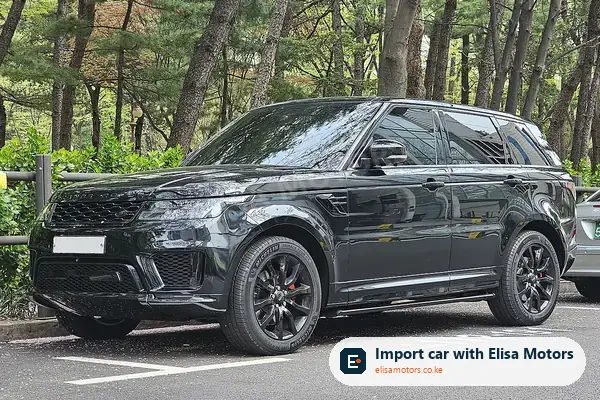
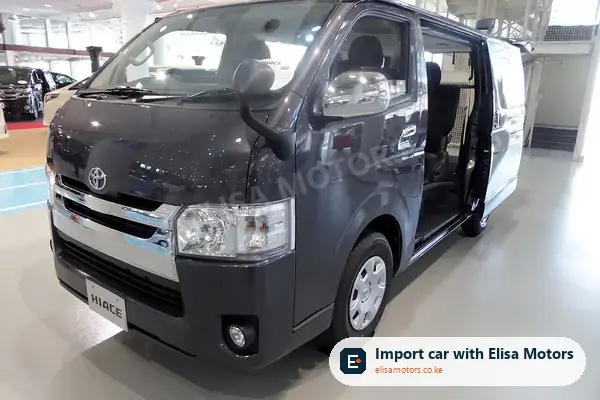
Passenger cars like the Aqua and CX-5 follow the standard process. Commercial vehicles like the Hiace may face different classification and checks. Read our commercial vehicle guide. Similarly, high-value cars like the Range Rover Sport often ship in containers. Read our UK Range Rover guide.
Personal effects in the car
Items left inside a car can complicate clearing. Customs may need to examine and assess them separately. Therefore, ship cars empty unless you have arranged the declaration of personal effects in advance. This is especially relevant for returning residents. Read our returning residents guide.
What if KRA re-assesses the duty?
If verification finds a difference, such as a higher grade or different engine, KRA may re-assess duty. You must pay the difference before release. Meanwhile, storage charges continue. As a result, accurate declarations from the start are the best protection.
Choosing a clearing agent
Choose a licensed agent with experience in vehicles. Ask for references and a written breakdown of fees. Moreover, ask how they communicate progress. A good agent prepares early and responds quickly. In contrast, a poor agent can turn a one-week clearance into a month. Read our car import scams guide for warning signs.
Example: Toyota Prado landed prices including clearing
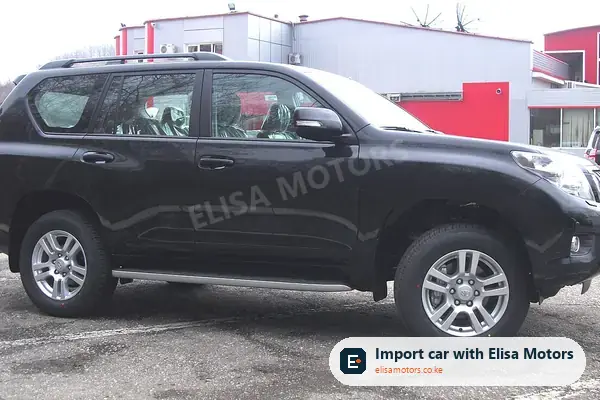
Here is how each Toyota Land Cruiser Prado version we import compares. All of them seat 7, and you can import them from Japan, UK or South Africa.
Toyota Land Cruiser Prado TX 2.7 Petrol (5-seat). This version uses a 2.7-litre petrol engine with 163 hp, a 6-speed automatic gearbox and four-wheel drive. In addition, it returns about 9 km/L and lands in Kenya at roughly KES 6.2M – 7M. Furthermore, compared with lower trims, it adds fabric seats, 5 seats, 17" alloys, rear diff lock, reverse camera.
Toyota Land Cruiser Prado TX 2.7 Petrol (7-seat). This version uses a 2.7-litre petrol engine with 163 hp, a 6-speed automatic gearbox and four-wheel drive. Moreover, it returns about 9 km/L and lands in Kenya at roughly KES 6.4M – 7.2M. Furthermore, compared with lower trims, it adds 7 seats, fabric, cruise control, Toyota Safety Sense.
Toyota Land Cruiser Prado TX-L 2.7 Petrol. This version uses a 2.7-litre petrol engine with 163 hp, a 6-speed automatic gearbox and four-wheel drive. As a result, it returns about 9 km/L and lands in Kenya at roughly KES 6.8M – 7.6M. Furthermore, compared with lower trims, it adds leather seats, power seats, sunroof option, 7 seats, 18" alloys.
Toyota Land Cruiser Prado TX 2.8 Diesel. This version uses a 2.8-litre diesel engine with 204 hp, a 6-speed automatic gearbox and four-wheel drive. Similarly, it returns about 11 km/L and lands in Kenya at roughly KES 7.3M – 8.2M. Furthermore, compared with lower trims, it adds 1GD turbo-diesel, 7 seats, fabric, rear diff lock.
Toyota Land Cruiser Prado TX-L 2.8 Diesel. This version uses a 2.8-litre diesel engine with 204 hp, a 6-speed automatic gearbox and four-wheel drive. Meanwhile, it returns about 11 km/L and lands in Kenya at roughly KES 7.8M – 8.8M. Furthermore, compared with lower trims, it adds leather, sunroof, power seats, 7 seats, LED headlights.
Toyota Land Cruiser Prado TZ-G 2.8 Diesel. This version uses a 2.8-litre diesel engine with 204 hp, a 6-speed automatic gearbox and four-wheel drive. Furthermore, it returns about 11 km/L and lands in Kenya at roughly KES 9M – 10.5M. Furthermore, compared with lower trims, it adds top spec: KDSS, adaptive suspension, multi-terrain monitor, heated/ventilated leather.
Every Toyota Land Cruiser Prado we import includes these key features: full-time 4WD with low range, rear diff lock & crawl control, 7 seats (most grades), KDSS & adaptive suspension (TZ-G) and outstanding resale value in Kenya.
Example: Toyota Aqua landed prices including clearing
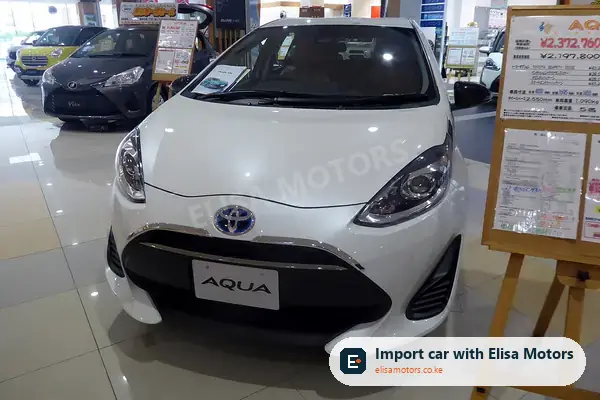
Here is how each Toyota Aqua version we import compares. All of them seat 5, and you can import them from Japan.
Toyota Aqua S 1.5 Hybrid. This version uses a 1.5-litre hybrid engine with 100 hp, a e-cvt automatic gearbox and two-wheel drive. In addition, it returns about 34 km/L and lands in Kenya at roughly KES 1.3M – 1.55M.
Toyota Aqua G 1.5 Hybrid. This version uses a 1.5-litre hybrid engine with 100 hp, a e-cvt automatic gearbox and two-wheel drive. Moreover, it returns about 33 km/L and lands in Kenya at roughly KES 1.45M – 1.7M.
Toyota Aqua Crossover 1.5 Hybrid. This version uses a 1.5-litre hybrid engine with 100 hp, a e-cvt automatic gearbox and two-wheel drive. As a result, it returns about 32 km/L and lands in Kenya at roughly KES 1.5M – 1.75M.
Every Toyota Aqua we import includes these key features: full hybrid system, 30+ km/L, EV mode for silent low-speed driving, push start & smart key, toyota Safety Sense and ideal for taxi & ride-hailing.
Collecting your car in Mombasa
Some buyers prefer to collect at the port and drive home. If you do, bring your ID and the release documents. Moreover, check the car carefully before leaving, including tyres, fluids and lights. Newly imported cars may have sat for weeks, so drive gently at first. In contrast, many buyers choose covered transport to avoid the long drive.
Related guides
For the full journey, read our Japan import guide, UK import guide, auction sheet guide and mileage check guide. You can also browse all cars.
Where we deliver
We serve buyers across Nairobi, including Westlands, Kilimani, Karen, South C, Syokimau and Ruaka. We also serve Nakuru, Eldoret, Kisumu, Thika, Nyeri, Nanyuki, Machakos and Meru. At the coast, we serve Mombasa, Nyali, Kilifi and Malindi.
Talk to us
Use the order form on this page, call +254 725 310 112 or WhatsApp +254 725 310 112. You can also read our full import guide.